Introduction
Navigating the tax system can be challenging for residents and property owners in Rose County. Whether you’re a homeowner, business owner, or new resident, understanding how to calculate your taxes accurately is essential for financial planning and compliance. The Rose County Tax Calculator 2025 is a helpful online tool that allows taxpayers to estimate their annual property taxes quickly and accurately.
Using the Rose County Tax Calculator 2025, residents can review estimated tax amounts based on property value, exemptions, and current tax rates. This tool simplifies the process and helps property owners avoid confusion when planning their finances. Many residents rely on the Rose County Tax Calculator 2025 to better understand how their property taxes are determined.
This comprehensive guide explains how the Rose County Tax Calculator 2025 works and how taxpayers can use it to estimate their obligations. It also covers important topics such as Rose County tax categories, available exemptions, payment methods, and useful tips to manage your taxes efficiently. By the end of this article, you will clearly understand how the Rose County Tax Calculator 2025 helps residents stay informed and prepared for their tax responsibilities.
Understanding the Rose County Tax System
Rose County operates under a structured tax system designed to fund essential public services, infrastructure development, education, and community programs. The county collects various types of taxes, with property tax being the primary revenue source for local government operations. Tools like the Rose County Tax Calculator 2025 help residents better understand how their estimated taxes are calculated based on current rates and property values.
The tax system in Rose County is administered by the County Tax Assessor’s Office, which is responsible for assessing property values, calculating tax obligations, and collecting payments from residents and businesses. Many taxpayers use the Rose County Tax Calculator 2025 to review estimated tax amounts before making payments or planning their annual finances. The revenue generated from these taxes supports critical services including public schools, law enforcement, fire departments, road maintenance, libraries, and parks.
Understanding how the tax system works is the first step toward accurate tax calculation and compliance. The county follows state guidelines while implementing local tax rates approved by the county commission and other governing bodies. By using the Rose County Tax Calculator 2025, residents can easily estimate their potential tax responsibilities and stay informed about their property tax obligations.
2025 Tax Rates and Important Updates
For the 2025 tax year, Rose County has implemented several important changes that taxpayers should be aware of. The overall property tax rate has been adjusted to reflect increased costs for public services and infrastructure improvements. To better understand these updates, many residents rely on the Rose County Tax Calculator 2025 to estimate how the new tax rates may affect their annual property tax payments.
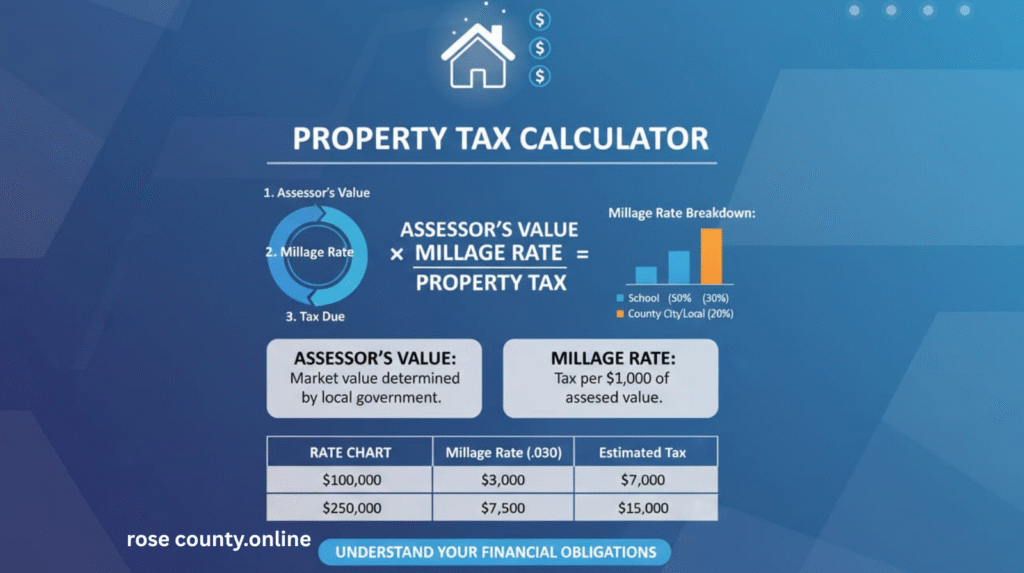
The property tax rate is typically expressed in mills, where one mill equals one dollar of tax for every one thousand dollars of assessed property value. For 2025, the combined millage rate for various taxing districts within Rose County may vary depending on your specific location and the services provided in your area. By using the Rose County Tax Calculator 2025, property owners can easily calculate estimated taxes based on these updated millage rates.
Some key updates for 2025 include enhanced digital payment options, extended office hours during tax season, improved online calculator tools, and streamlined application processes for exemptions and appeals. These improvements are designed to make the tax payment process more convenient and transparent for all residents who use the Rose County Tax Calculator 2025 for tax planning.
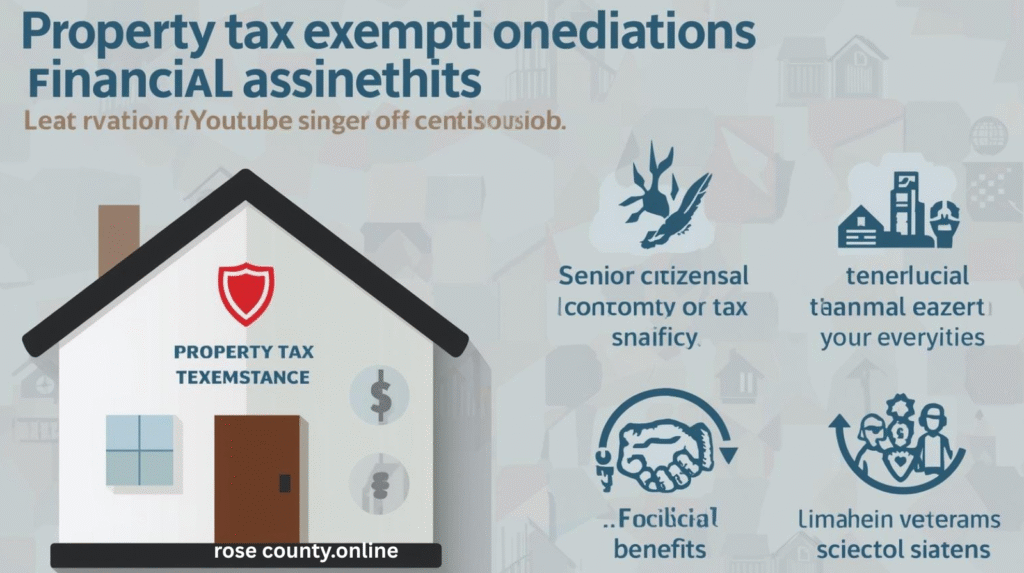
Additionally, the county has increased the homestead exemption amount for eligible residents, providing greater tax relief for primary homeowners. Senior citizens and disabled veterans may qualify for additional exemptions that can significantly reduce their annual tax burden. These exemptions can also be reflected when using the Rose County Tax Calculator 2025 to estimate final tax amounts.
How to Use the Rose County Tax Calculator
The Rose County Tax Calculator 2025 is an online tool designed to help taxpayers estimate their tax obligations quickly and accurately. The Rose County Tax Calculator 2025 simplifies the process of calculating property taxes by allowing residents to enter their property details and receive an estimated tax amount within seconds. Using this calculator is straightforward and requires only basic information about your property or taxable items.
To begin using the Rose County Tax Calculator 2025, visit the official Rose County Tax Assessor’s website and locate the tax calculator tool. You’ll need to gather essential information before starting, including your property’s parcel number, the assessed value of your property, your property classification (residential, commercial, agricultural, etc.), and information about any exemptions you may qualify for.
The step-by-step process begins with entering your property’s parcel identification number, which can be found on your tax statement or property deed. Next, the calculator will automatically populate your property’s assessed value based on the most recent assessment. You can then select applicable exemptions from a dropdown menu, including homestead exemption, senior citizen exemption, veteran exemption, or disability exemption when using the Rose County Tax Calculator 2025.
After entering all required information, click the calculate button to generate your estimated tax obligation. The Rose County Tax Calculator 2025 will display a breakdown showing the base assessment, exemption amounts, taxable value, applicable millage rates, and total estimated tax due. This detailed breakdown helps you understand exactly how your tax bill is calculated.
For the most accurate results, ensure all information entered is current and correct when using the Rose County Tax Calculator 2025. If you’ve recently purchased property or made significant improvements, your assessed value may differ from what’s shown in the system. In such cases, contact the assessor’s office for clarification.

Property Tax Calculation in Detail
Property tax represents the largest tax obligation for most Rose County residents. Understanding how your property tax is calculated empowers you to verify the accuracy of your tax bill and identify potential savings through exemptions.
The calculation process begins with property assessment. The County Tax Assessor conducts regular evaluations to determine the fair market value of all properties within the county. This assessment considers factors such as property location, size and square footage, age and condition of structures, recent sales of comparable properties, improvements and renovations, and current market trends.
Once the fair market value is established, the assessed value is calculated. In many jurisdictions, the assessed value is a percentage of the fair market value, often ranging from 10% to 40% depending on property classification. Rose County follows state guidelines in determining this assessment ratio.
After determining the assessed value, any applicable exemptions are subtracted to arrive at the taxable value. Common exemptions include the homestead exemption for primary residences, which can reduce taxable value by a significant amount, senior citizen exemptions for residents over a certain age, veteran exemptions for those who served in the military, and disability exemptions for qualified individuals.
The final tax amount is calculated by multiplying the taxable value by the millage rate and dividing by one thousand. For example, if your property has an assessed value of $200,000, you qualify for a $25,000 homestead exemption, leaving a taxable value of $175,000, and the millage rate is 25 mills, your tax would be calculated as follows: ($175,000 × 25) ÷ 1,000 = $4,375.
Additional Tax Categories in Rose County
Beyond property taxes, Rose County residents may be subject to several other tax categories depending on their activities and circumstances. Many residents use the Rose County Tax Calculator 2025 to estimate how different tax obligations may affect their overall financial planning.
Sales tax is collected on most retail purchases within the county. The combined state and local sales tax rate applies to goods and services, with certain necessities like groceries and prescription medications often exempted or taxed at reduced rates. Businesses operating in Rose County are responsible for collecting and remitting sales tax to the appropriate authorities. While sales taxes are calculated separately, property owners often review their estimated property taxes through the Rose County Tax Calculator 2025 to better understand their yearly tax responsibilities.
Vehicle registration and taxes are another important category. When you register a vehicle in Rose County, you’ll pay annual registration fees and potentially ad valorem taxes based on the vehicle’s value. The county calculates vehicle taxes using a depreciation schedule that considers the vehicle’s age, make, model, and original value. Many property owners also rely on the Rose County Tax Calculator 2025 to estimate property-related tax obligations alongside other county taxes.
Business owners face additional tax obligations including business license taxes, inventory taxes for certain types of businesses, and potentially business personal property taxes on equipment and fixtures. The specific requirements depend on the nature and size of the business operation. Understanding these tax categories, along with estimated property taxes from the Rose County Tax Calculator 2025, helps residents and business owners plan their finances more effectively.
Special assessment districts may levy additional taxes for specific improvements or services in certain areas. These might include community development districts, fire districts, or improvement districts that provide enhanced services to specific neighborhoods or commercial areas. Residents often review these costs together with their property tax estimates using the Rose County Tax Calculator 2025.
Tax Exemptions and Relief Programs
Rose County offers various exemptions and relief programs designed to reduce the tax burden for eligible residents. Understanding these programs can result in significant annual savings. Many homeowners also use the Rose County Tax Calculator 2025 to estimate how these exemptions may reduce their total property tax amount.
The homestead exemption is the most commonly utilized tax break. To qualify, the property must be your primary residence, you must own the property, and you must occupy it as of January 1st of the tax year. The application process requires proof of ownership, proof of residency, and a valid identification document. Once approved, the exemption typically remains in effect until ownership changes, though some jurisdictions require periodic renewal. After applying the exemption, property owners can check their updated tax estimate using the Rose County Tax Calculator 2025.
Senior citizen exemptions provide additional relief for older residents. Eligibility requirements typically include reaching age 65 by January 1st of the tax year, meeting income limitations in some cases, and maintaining the property as a primary residence. The exemption amount may increase with age, offering greater benefits for the oldest residents. Seniors often review their estimated tax savings through the Rose County Tax Calculator 2025.
Veterans who served in the military may qualify for exemptions ranging from partial to full property tax relief depending on disability status, service period, and other factors. Disabled veterans with service-connected disabilities rated at certain percentages may receive substantial exemptions. The surviving spouses of qualifying veterans may also be eligible for continued exemptions. These exemptions can significantly lower the final tax estimate shown in the Rose County Tax Calculator 2025.
Agricultural exemptions apply to properties used primarily for bona fide agricultural purposes. To qualify, the land must be used for commercial agricultural production, meet minimum acreage requirements, and generate income from agricultural activities. This exemption can dramatically reduce taxes on farmland compared to residential rates, which can also be reflected when calculating taxes through the Rose County Tax Calculator 2025.
Disability exemptions are available for residents with permanent disabilities that prevent them from working. Documentation from medical professionals and proof of disability status through appropriate government agencies is typically required.
Low-income tax relief programs may be available for residents facing financial hardship. These programs often consider household income, family size, and other financial circumstances to determine eligibility for tax reductions or payment assistance. Residents can review their estimated tax reduction by using the Rose County Tax Calculator 2025.
Payment Options And Important Deadlines
Rose County provides multiple convenient payment options to ensure taxpayers can meet their obligations on time and avoid penalties.
Online payment through the county’s website is the most popular and convenient option. Taxpayers can pay using credit cards, debit cards, or electronic checks directly from their bank accounts. The online system is available 24/7 and provides immediate confirmation of payment. Keep in mind that credit card payments may incur a small processing fee.
In-person payments can be made at the Tax Collector’s office during regular business hours. The office accepts cash, checks, money orders, and card payments. During peak tax season, the office may extend hours to accommodate increased traffic.
Mail payments are accepted when postmarked by the due date. Send payments to the address listed on your tax statement, and ensure you include your parcel number and payment stub to ensure proper credit to your account. Use certified mail for added security and proof of mailing.
Drop box payment options are available at the county office building, allowing you to deposit payments in a secure box after hours or on weekends. Payments are processed on the next business day.
Payment deadlines in Rose County typically follow a standard schedule. Property taxes are generally due in quarterly installments or as a single annual payment. The first quarter is usually due by March 31st, second quarter by June 30th, third quarter by September 30th, and fourth quarter by December 31st. Paying the full amount early may qualify you for a discount in some jurisdictions.
Missing payment deadlines results in penalties and interest charges that accrue monthly. The penalty structure typically includes an initial late fee of 1.5% to 3% of the unpaid balance, followed by additional interest charges each month the balance remains unpaid. Extended delinquency can lead to liens against the property and eventual tax sale proceedings.
For taxpayers facing financial difficulties, payment plans may be available. Contact the Tax Collector’s office before the due date to discuss options. Many counties offer installment agreements that allow you to pay your tax debt over time, though interest may continue to accrue.
Common Mistakes and How to Avoid Them
Even diligent taxpayers can make errors when calculating and paying their Rose County taxes. Being aware of common mistakes helps you avoid costly penalties and ensures compliance.
One frequent error is failing to apply for available exemptions. Many residents qualify for homestead, senior, or veteran exemptions but never apply, resulting in unnecessarily high tax bills year after year. Review exemption eligibility annually and file applications promptly when circumstances change.
Incorrect property information can lead to inaccurate calculations. If the assessor’s records show incorrect square footage, an extra building that doesn’t exist, or outdated information about your property, your assessment may be too high. Regularly review your property record card and request corrections when necessary.
Missing deadlines is perhaps the most expensive mistake. Set reminders well in advance of tax due dates, and consider paying early to avoid last-minute problems. If you escrow taxes through your mortgage company, verify that payments are being made on time.
Calculation errors when using the tax calculator often stem from entering the wrong parcel number, failing to include all applicable exemptions, or misunderstanding the assessment ratio. Double-check all entries before relying on calculator results.
Failing to appeal an incorrect assessment within the specified timeframe forfeits your right to challenge that year’s valuation. If you believe your property has been over-assessed, file an appeal during the designated appeal period, typically shortly after receiving your assessment notice.
Not updating your mailing address with the tax office can result in missed notices and deadlines. Even if you receive your tax bill through your mortgage company, ensure the county has your current contact information for important communications.
Assuming all properties are taxed the same way overlooks important distinctions between residential, commercial, agricultural, and other property classifications. Each category may have different assessment ratios and millage rates.
Resources and Contact Information
Rose County provides numerous resources to help taxpayers understand and manage their tax obligations effectively.
The Rose County Tax Assessor’s Office is your primary resource for questions about property assessments, exemption applications, and general tax information. The office maintains an official website with online tools, downloadable forms, and educational materials explaining the tax system.
The Tax Collector’s Office handles payment processing, payment plans, and questions about your tax bill or account status. They can provide payment history, duplicate bills, and assistance with online payment systems.
The County Commission holds public hearings on proposed millage rates and budget items that affect tax rates. Residents are encouraged to attend these meetings to understand how tax revenues are used and to voice concerns about tax policies.
The State Department of Revenue oversees county tax systems and provides resources for taxpayers seeking information about their rights and responsibilities. Their website includes explanatory materials and contact information for filing complaints or appeals.
Local libraries often provide free tax assistance during tax season, including help with understanding tax bills and accessing online resources. Some branches may offer computer access for those without internet at home.
Nonprofit organizations in the community may offer assistance to seniors, low-income residents, or others who need help understanding their tax obligations and applying for relief programs.
Conclusion
Understanding and accurately calculating your Rose County taxes in 2025 is straightforward when you have the right tools and information. The Rose County Tax Calculator 2025 makes it easy to estimate your tax obligations and plan accordingly.
Take advantage of all available exemptions, stay informed about payment deadlines, and maintain accurate property information to avoid penalties. If you have questions about your assessment or tax bill, contact the county tax office for assistance. Proper tax planning ensures you stay compliant while minimizing your tax burden.
Frequently Asked Questions (FAQs)Q1: When is the deadline to apply for homestead exemption in Rose County?
Homestead exemption applications are typically due by April 1st of the tax year. Apply as soon as you establish the property as your primary residence. Once approved, the exemption remains in effect as long as you own and occupy the property.
Q2: How often does Rose County reassess property values?
Rose County reassesses properties every one to three years. Individual property values may be adjusted more frequently for significant changes like new construction or major renovations.
Q3: Can I appeal my property tax assessment if I think it’s too high?
Yes, you can appeal within 30 to 45 days of receiving your assessment notice. Provide evidence such as recent appraisals or comparable sales. The appeal is heard by the county board of equalization.
Q4: What happens if I can’t pay my property taxes on time?
Contact the Tax Collector’s office immediately to discuss payment plans. Interest and penalties accrue on unpaid balances. Extended delinquency can lead to tax liens and eventual tax sale proceedings.
Q5: Do I need to reapply for my senior citizen exemption every year?
Generally no. Once approved, the exemption continues as long as you meet eligibility requirements. Some counties require periodic recertification if income limitations apply. Check with the Tax Assessor’s Office for specific requirements.
Q6: How can I verify that my property information is correct in the county records?
Review your property record card online through the Tax Assessor’s website using your parcel number or address. If you find errors, contact the assessor’s office with supporting documentation like building permits or surveys.
Q7: Are property taxes the same throughout all of Rose County?
No, rates vary by location and taxing districts. Different school districts, fire districts, and municipalities have different millage rates. Your total tax reflects combined rates of all taxing authorities serving your area.
Q8: What documentation do I need to apply for a veteran exemption?
You’ll need your DD-214 form, proof of residency, valid photo ID, and disability rating documentation if applicable. Contact the Tax Assessor’s office for a complete list of required documents.
Q9: Can I get a refund if I overpaid my property taxes?
Yes, you’re entitled to a refund for overpayments from duplicate payments, successful appeals, or retroactive exemptions. Contact the Tax Collector’s office with proof. Refunds typically process within 30 to 90 days.
Q10: How does new construction or home improvement affect my property taxes?
New construction and significant improvements increase your assessed value and taxes. Reassessment occurs after building permits are issued. The increased assessment typically takes effect the following tax year.